
Feeding a loved one should be simple—until health challenges make it complicated. You may have come across the term PEG feeding while researching nutrition options for someone who can no longer eat safely. Perhaps your family member had a stroke or is living with a neurological condition. Swallowing becomes risky, and the fear of choking or weight loss becomes real.
Here’s the good news: there is a solution that can provide long-term nutritional support, comfort, and safety—PEG feeding.
In this guide, we’ll explore what PEG tubes are, how PEG feeding works, and what you can do to support your loved one. By the end, you’ll feel informed, empowered, and more prepared to have conversations with your healthcare provider.
What is PEG Feeding and Why Is It Needed?
PEG stands for Percutaneous Endoscopic Gastrostomy. It’s a medical procedure where a feeding tube is inserted directly into the stomach. This allows a person to receive nutrition, fluids, and medication without needing to swallow.
PEG feeding is recommended when someone is unable to eat or drink safely by mouth. This may be due to:
- Stroke
- Brain injury
- Motor neurone disease
- Head and neck cancer
- Progressive neurological disorders (like Parkinson’s)
When swallowing is impaired, eating becomes dangerous. Food could go into the lungs instead of the stomach, leading to pneumonia. PEG feeding helps avoid this risk while ensuring proper nutrition.
Early Signs That PEG Feeding May Be Necessary
Families often don’t realise how serious swallowing issues can become. You might notice:
- Frequent coughing during meals
- Rapid weight loss
- Dehydration
- Taking too long to eat
- Choking episodes
Here When You Need Us!!!
Looking for PEG feeding support? Better Capacity Access Care is one of Victoria’s most trusted disability service providers.
If any of these signs appear, it’s essential to consult a healthcare provider. They can evaluate whether PEG tube feeding is appropriate.
How Does a PEG Tube Work?
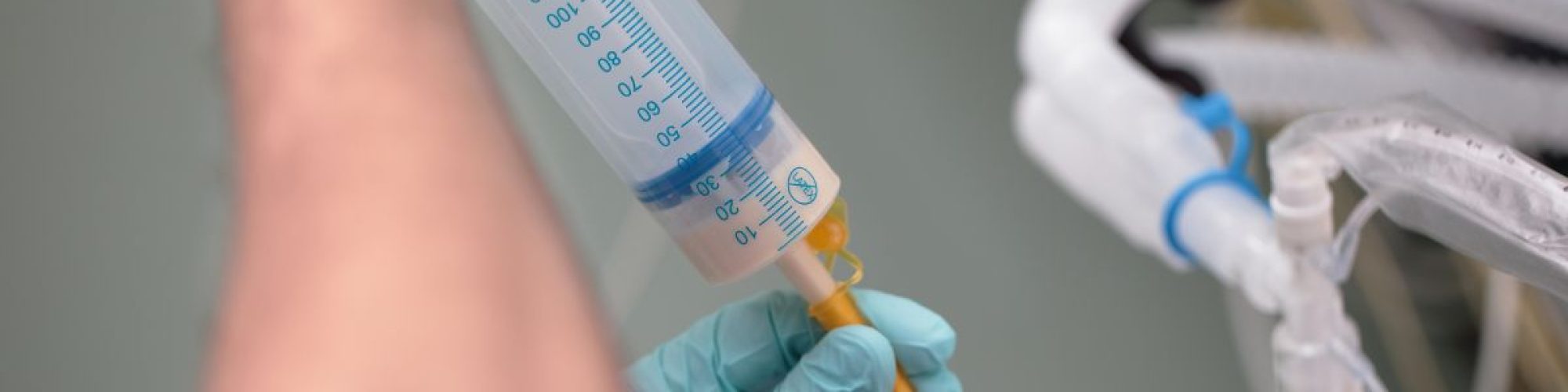
A PEG tube is a small, flexible plastic tube placed through the abdominal wall into the stomach. It’s used to deliver food and medicine directly.
The tube stays in place with external and internal fasteners. Nutrition is usually provided through liquid feed that meets all dietary requirements. These can be customised by a dietitian.
The PEG Tube Insertion: What to Expect
The process is often quicker than expected. Here’s how it usually goes:
1. Endoscopy is Performed
An endoscope—a small camera—is passed through the mouth into the stomach.
2. Local Anaesthesia is Applied
The skin where the PEG will be inserted is numbed. Sedation may also be given.
3. PEG Tube is Inserted
A small opening is made in the abdominal wall. The PEG tube is gently placed through it into the stomach.
4. Securing the Tube
The tube is secured using soft discs on both ends. These help prevent the tube from moving or leaking.
The whole procedure takes around 30–45 minutes and usually requires a short hospital stay.
How Long Does a PEG Tube Last?
PEG tubes can remain in place for several months, even years. However, they may need to be replaced every 6–12 months depending on wear and individual needs. Some families fear this process, but replacements are usually quick and simple.
Benefits of PEG Tube Feeding for Families and Patients
Choosing PEG feeding is not giving up—it’s choosing life in a different way.
- Improved Nutrition
People with PEG tubes often gain weight and feel stronger.
- Reduced Risk of Aspiration
By bypassing the mouth and throat, food won’t enter the lungs.
- Better Comfort
Feeding becomes easier and less stressful for the patient and family.
- More Time Together
Meals don’t take hours or end in frustration. You get more quality time with your loved one.
- Managing PEG Feeding at Home: A Step-by-Step Guide
Once home, PEG feeding becomes part of your routine. With help from a healthcare provider, you’ll be trained in how to care for the tube and prepare feeds.
- Clean the Site Daily
Use warm water and mild soap around the PEG tube. Keep it dry and watch for redness or leaks.
- Flush the Tube
Flush before and after each feed with water to prevent blockage.
- Prepare the PEG Feed
Use prescribed liquid nutrition or blends. Only give what the dietitian recommends.
- Store Equipment Safely
Wash hands and clean surfaces. Store all feeding supplies in a clean, dry space.
Over time, you’ll become more confident and efficient.
Common Concerns Families Often Ask
No, the procedure uses anaesthesia. Afterward, there may be mild discomfort for a few days.
Yes. PEG feeding does not interfere with speech or mobility.
Call your healthcare provider immediately. A trained team will help reinsert it safely.
Emotional Impact on Families: You're Not Alone
Many carers feel overwhelmed at first. It’s okay to feel unsure. This is a big change. Talking with others going through the same experience or joining local support groups can help. The support of a healthcare provider is essential not just for the patient, but for you too.
Real-Life Experience: “We Thought It Was Our Last Option”
Mark’s mother was diagnosed with throat cancer. Eating became impossible. “We were afraid of PEG feeding,” he says. “But when we saw her energy come back, we knew it was the right choice.”
Families across Australia share similar stories—scared at first, then relieved when PEG feeding became a lifeline.
Important Tips for Caring for a PEG Tube
- Don’t pull or tug the tube.
- Avoid using thick or unblended food unless approved.
- Watch for signs of infection: swelling, discharge, pain.
- Record feeding schedules and issues.
- Schedule regular check-ups with your provider.
Key Takeaways
PEG feeding is more than just a tube. It’s a tool that helps people stay strong when eating by mouth isn’t safe. For families, it removes the stress of watching a loved one struggle with food. With proper training, support, and routine, PEG feed care becomes manageable.
Always speak to a qualified healthcare provider for guidance. They will help you understand if PEG feeding is right and how to manage it successfully.
FAQs
Yes, if the patient improves, the tube can be removed.
Not always. Some people use it short-term; others need it longer.
Yes, after healing, you can cover the site and bathe normally.
Sometimes. If it’s safe, small oral feeds may be allowed.
A nurse, dietitian, and other providers will support you.